The Giro Notebook - stages 4-9
A week of intriguing and unpredictable racing in Italy, in review

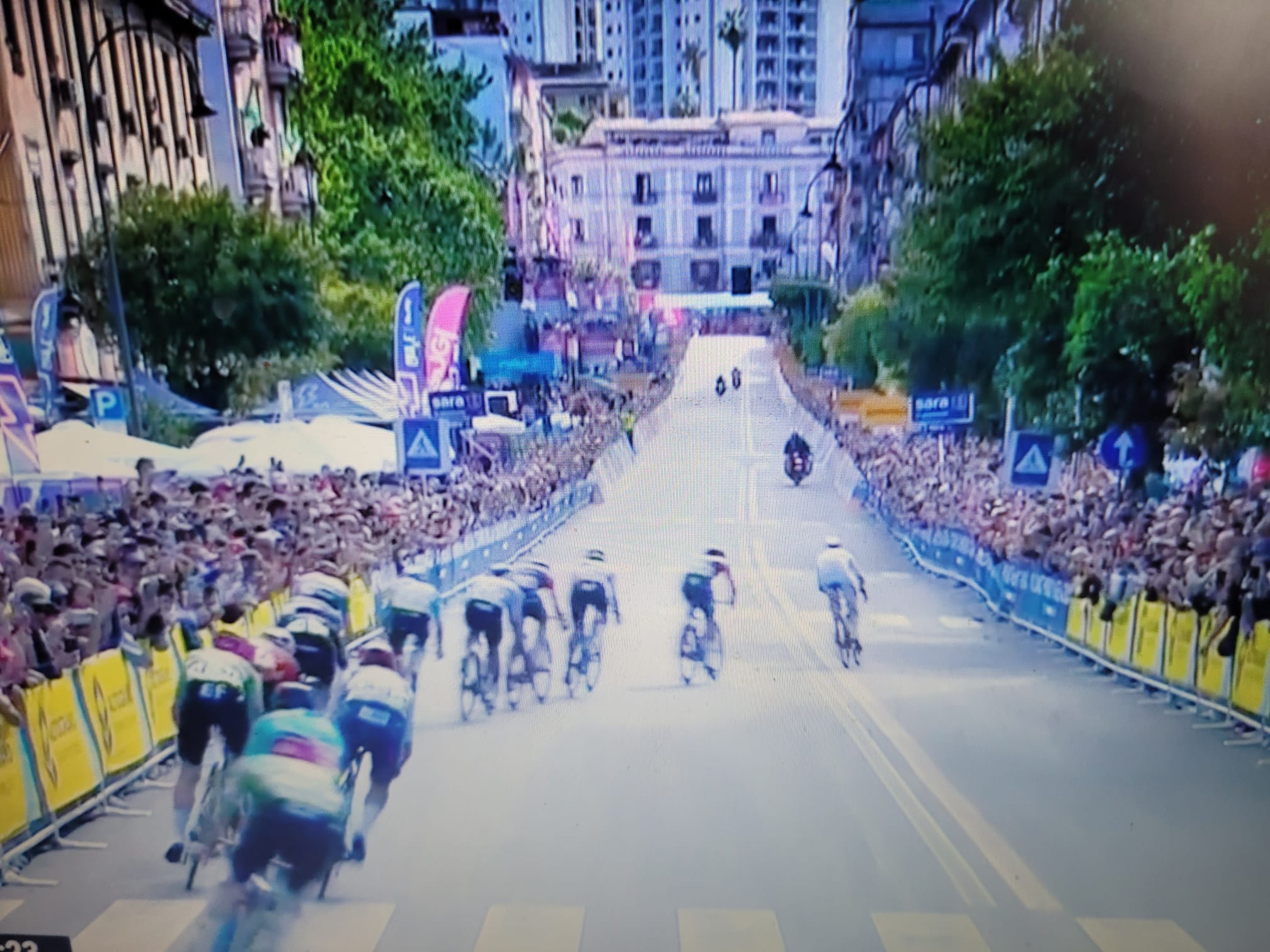
I’m back, a little later than planned, with a second instalment of action from the Giro d’Italia. I had hoped to cover three stages per newsletter, but the tough thing about being an unemployed freelancer during a Grand Tour is that life goes on, and you have to focus on priorities outside of cycling (I know, such a notion is preposterous). So the weekend stages were watched in snatches, with insights gained here and there, haphazardly, as I tried to piece together a fractured jigsaw puzzle. Luckily, as I’m focused on through-lines rather than diving into the blow-by-blow detail of each stage, I think it’s probably fine. Except for stage 8 which was absolutely bonkers and I’ve kind of skipped talking about it - you’ll have to forgive me. It’s been a week.
Here are the stories from stages 4-9 – the race’s first week in its homeland of Italy.
The gloves are off
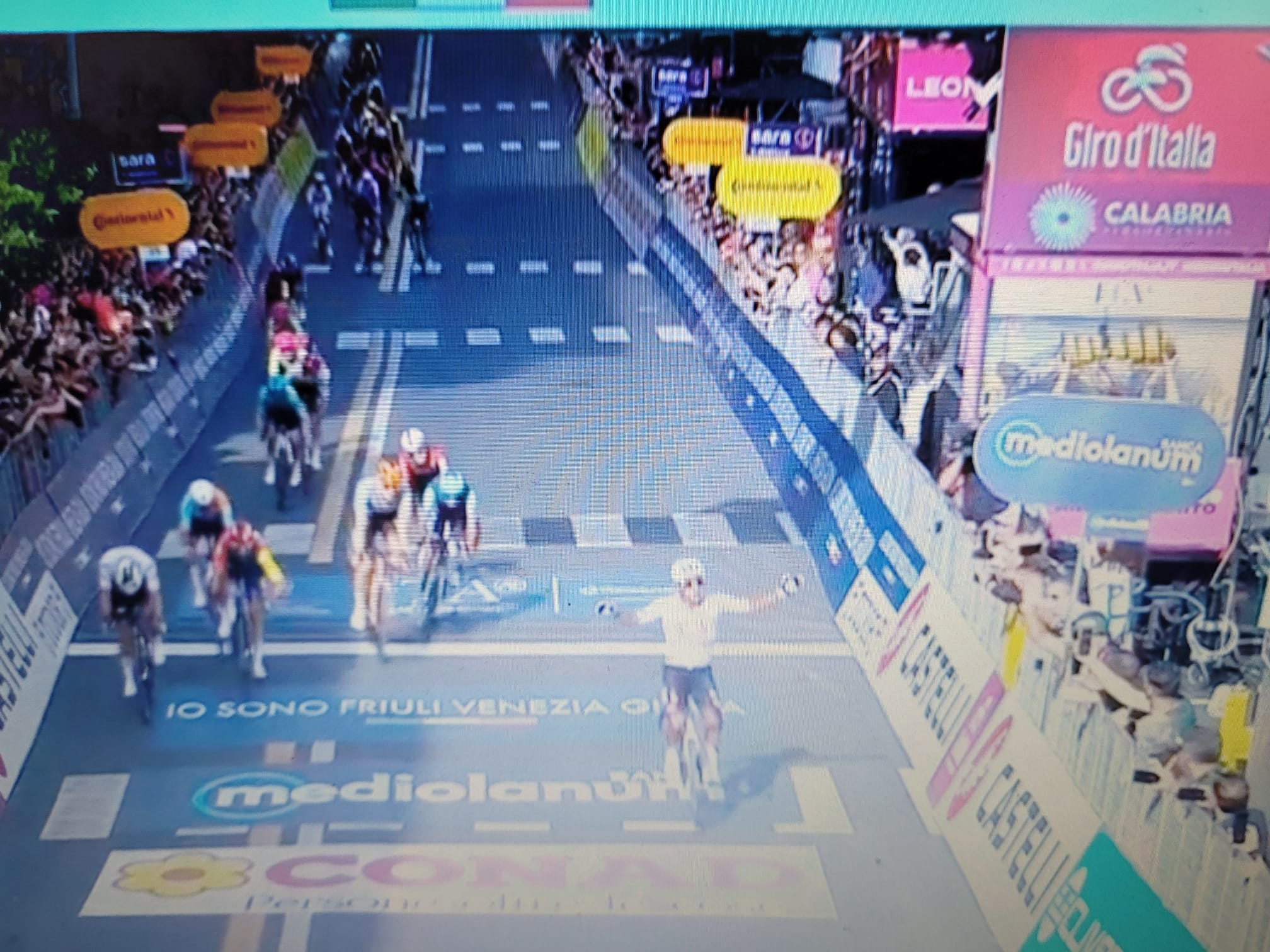
It was clear that UAE Team Emirates weren’t going to take their misfortune lying down, and they bounced back from their crash-induced woes in the most emphatic way possible, claiming two consecutive stage wins on stage 4 through Jhonatan Narvaez, and stage 5 courtesy of Igor Arrieta. The latter in particular was poignant – the first WorldTour level win for the 23-year-old Spanish talent, in his first ever Grand Tour – a very special moment for the rider who comes from some serious cycling pedigree.
The team added a third stage win courtesy of the in-form Narvaez on stage 8, after a completely mad day of non-stop attacking. They are on a serious rampage, not cowed by their losses but instead drawing together a little like the 2021 Visma team at the Tour de France – with no GC ambitions remaining, and a glut of strong riders left behind, the sky is limit for what they can achieve.
Alongside their stage wins, the team enjoyed a few days leading the white jersey competition courtesy of Jan Christen, who himself has been visible here and there, attempting one of his long-range attacks from a kilometre out on stage 4 – he was ultimately unsuccessful, though he proved a foil for Narvaez and the team ended up coming away with glory anyway. It’s certainly not the end for UAE, who prove that despite their bad luck, their superior levels of funding mean they have a wealth of talent and can still win at will.
No dominant force in the bunch
One of the most intriguing things about the opening to this Giro d’Italia has been the rising to the fore of a range of different teams and riders, many of whom didn’t get a mention in any of the race previews. It’s a different story to the Tour de France, where the ominous presence of UAE pulling the strings on almost every stage has become insidious to the point of exhaustion, and ensuring that the race’s stars must be present and correct at the front of the race throughout.
At the Giro, by contrast, though Jonas Vingegaard is the overwhelming favourite, Visma-Lease A Bike were reticent to take the reins until the first mountain test on stage 7, heading up to Blockhaus. Of course, this is perfectly normal – there have been three ‘sprint’ stages, and a couple of in-between ones, and they don’t have the maglia rosa yet – it’s absolutely right and fair that the killer bees didn’t feel the need to exert their authority through the race’s early stages – they will have plenty to do in weeks 2 and 3. At the Tour, any stage that isn’t a bunch sprint is a stage that Tadej Pogačar’s deems himself worthy of having a crack at, and as such, the other main GC teams must necessarily be omnipresent at the front of the race, somewhat stifling opportunities for the race to take a different shape.
Visma did indeed shift into leadership mode as the race hit Blockhaus, and the expected Vingegaard victory transpired on the first mountain stage of the race – however, it’s been nice to have the sense that not everything about this race is predestined. On stage 4, a stage that many – somewhat bizarrely – tipped to be one for the hardier of the sprinters, it was Movistar’s blistering pace-setting on the long climb ensured that it would be nothing of the sort. Tobias Lund’s pre-race confidence (‘I see myself as a favourite’) suddenly looked misplaced. The race was exploded by the Spanish team on behalf of Orluis Aular, and even Astana’s pink jersey wearer Guillermo Thomas Silva was dropped, ensuring we would have a new maglia rosa at the end of the day. The shape of the GC was changed completely, and there was a scare for Egan Bernal as he was dropped from the group, and needed to be paced back on by his teammate Ben Turner, who sacrificed his own chances to do his duty for his teammate.
On stage 5, it was Bahrain-Victorious who took centre stage, as Afonso Eulalio battled with Igor Arrieta for the stage win in one of the most chaotic final sections of a stage I can remember (more on that later). Eulalio may not have taken the win, but he did propel himself up the GC standings, taking control of the leader’s jersey – the team’s first time ever in the maglia rosa, a milestone which rather poignantly occurred five years to the day since the late Gino Mäder won his first stage at the Giro.
Of course, the Unibet Rose Rockets have already taken centre stage, contending in the bunch sprints with Dylan Groenewegen – which will be the next unexpected team to make an impact?
Italian icons deliver domestic delight
French pride is in evidence at the Tour de France, make no mistake. Yet there’s something so ubiquitous about the biggest race on the cycling calendar that takes the edge off of the nationalistic side of the Tour (perhaps with the exception of Bastille Day). It’s a race that belongs to everyone.
The Giro, on the other hand, still holds a sense of romance that belongs to its Italian riders in a way that’s unique in the sport, to my mind. The beauty of an Italian rider in pink and the fervour with which the home riders race in the domestic Grand Tour is something beautiful.
This year’s edition features the lowest number of Italian participants ever, at 41, yet those present are carrying their flag proudly. With Jonathan Milan’s expected dominance not yet materialising, there have been just two significant moments for the home crowd to celebrate thus far, but they’ve both been very special in their own way.
After his third place on stage 4, Giulio Ciccone took the lead in the overall classification, and took control of the maglia rosa in the process – his first ever pink jersey, and a moment of high emotion for the passionate Italian climber. Sadly, his stint in the jersey lasted just one day, and wasn’t the kind of celebration he might have hoped for – pouring with rain all day, stage 5 was a total wash-out, and the glory of the jersey was concealed almost all day beneath a rain jacket. Cicco was unable to hold on, with his teammate Derek Gee riding up to tell him (in presumably a very apologetic, Canadian way) that he couldn’t or wouldn’t work for him, in order to protect his own GC hopes. Ciccone has been active in the breakaway since, but to no avail. Expect to see plenty more of him at this race.
The second moment of joy for the tifosi came on stage 6, as the expected bunch sprint into Napoli failed to transpire due to the ridiculous course design (more on that in a bit). Perhaps not unsurprisingly, the two best-placed riders to deal with ensuing chaos on the cobbles were two Classics specialists, Jasper Stuyven and Davide Ballerini. The latter held fast to his lead to win the stage, the second for his XDS Astana team, and the first of his ten year career. Another moment of pure emotion – there are likely to be plenty more, despite the fact that the host nation’s GC hopes in Giulio Pellizzari are fading - the first could well come at the end of today’s time trial, which Filippo Ganna currently leads.


More chaotic curveballs thanks to rain and cobbles
Ah, Spring in Italy. It’s about as reliable, weather-wise as… well, Spring in Britain, to be honest. There’s always some rain at the Giro, and this year has been no different so far. As mentioned above, stage 5 was a wash-out, weather-wise, although it didn’t stop it from producing one of the most incredible finals I can remember.
The early stages of the day were a parade of people trying to put on rain jackets and take them off again, and everyone looked cold and miserable. Fast forward to the final 15 kilometres or so, which featured a two-up duel for the stage win between Bahrain Victorious’ Afonso Eulalio, and UAE Team Emirates’ Igor Arrieta, and things heated up significantly. If you’ve been paying attention, you might remember who wins this one, but if you haven’t managed to see it yet do go back and see if you can find some highlights somewhere.
First Arrieta crashes with just over 13km to go, leaving Eulalio home and dry – you would think. Arrieta remounts his bike and the chase begins. Then, with 6.5km left, Eulalio crashes; he too is quickly back up and riding, but Arrieta’s gap to him begins to fall, and few hundred metres later they are back together, and it looks as though the race is back on. That is, until Arrieta takes a wrong turn with just over 2kms to go, riding into police tape and having to change course, and he drops behind again, and then he’s fighting his way back with the stage win looking completely out of sight, and almost wipes out, his back wheel sliding on the white road markings, as he races to try and put himself back in the running.
Honestly, you couldn’t make it up. Rolling a huge gear, Arrieta claws his way back to Eulalio who’s just trying to hold on with the line looming ahead of them, and Arrieta catches and passes him, and it’s over – no stage win for the valiant Portuguese, but the race lead is a pretty sweet consolation. He later said it was like ‘two dead men’ fighting for the win, and the two of them must be part cat, the amount of lives they burned through in that crazy finish. Truly spectacular stuff.
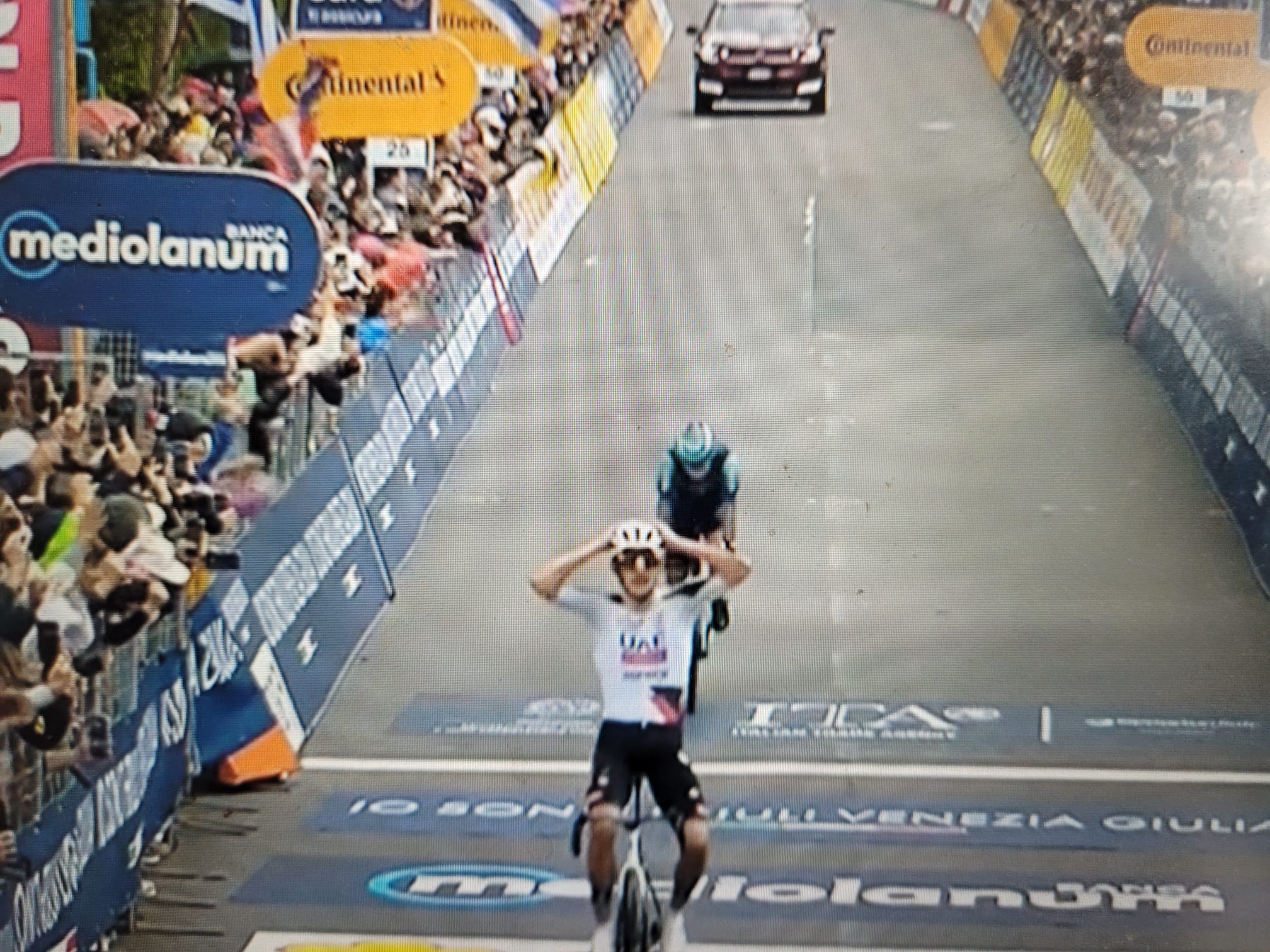
The next day, the race organisation once again came under scrutiny, as the sprint finish into Napoli was, stupidly, planned to take place on cobbles. On a twisty, turny final kilometre and to make matters worse, it was damp. What could possibly go wrong? (Insert rolling eyes emoji here).
No, it seems that as a collective, cycling really will never learn. Heading into the final right bend at high speed, the Unibet pair of Dylan Groenewegen and his lead-out rider Elmar Reinders were the first to wipe out, with plenty more skittling down after them, including Jonathan Milan. Paul Magnier nimbly picked his way through the chaos, but it’s unsurprising that the two riders who stayed upright to battle for the win were both Classics riders.
The next day on Blockhaus it was the wind that caused headaches, though it didn’t create too many dramas – by comparison with the rest of the race, at least. No doubt there will be plenty more chaos to come, at this most unpredictable of Grand Tours - no doubt we’ll have stages shortened due to snow in the Dolomites in week 3, watch this space for developments on that front.
GC battle teeters on the verge of interesting
When I first started writing this section, it was stage 6, and I was urging caution. Afonso Eulalio had over six minutes on the GC favourites, and in the past we’ve seen teams take risks by allowing these large gaps to open up – Ben O’Connor at the 2024 Vuelta a Espana springs to mind, Primoz Roglič only able to surpass the Australian in the final couple of stages of the race after a similar kind of breakaway situation left him guarding the red jersey for almost all of the race.
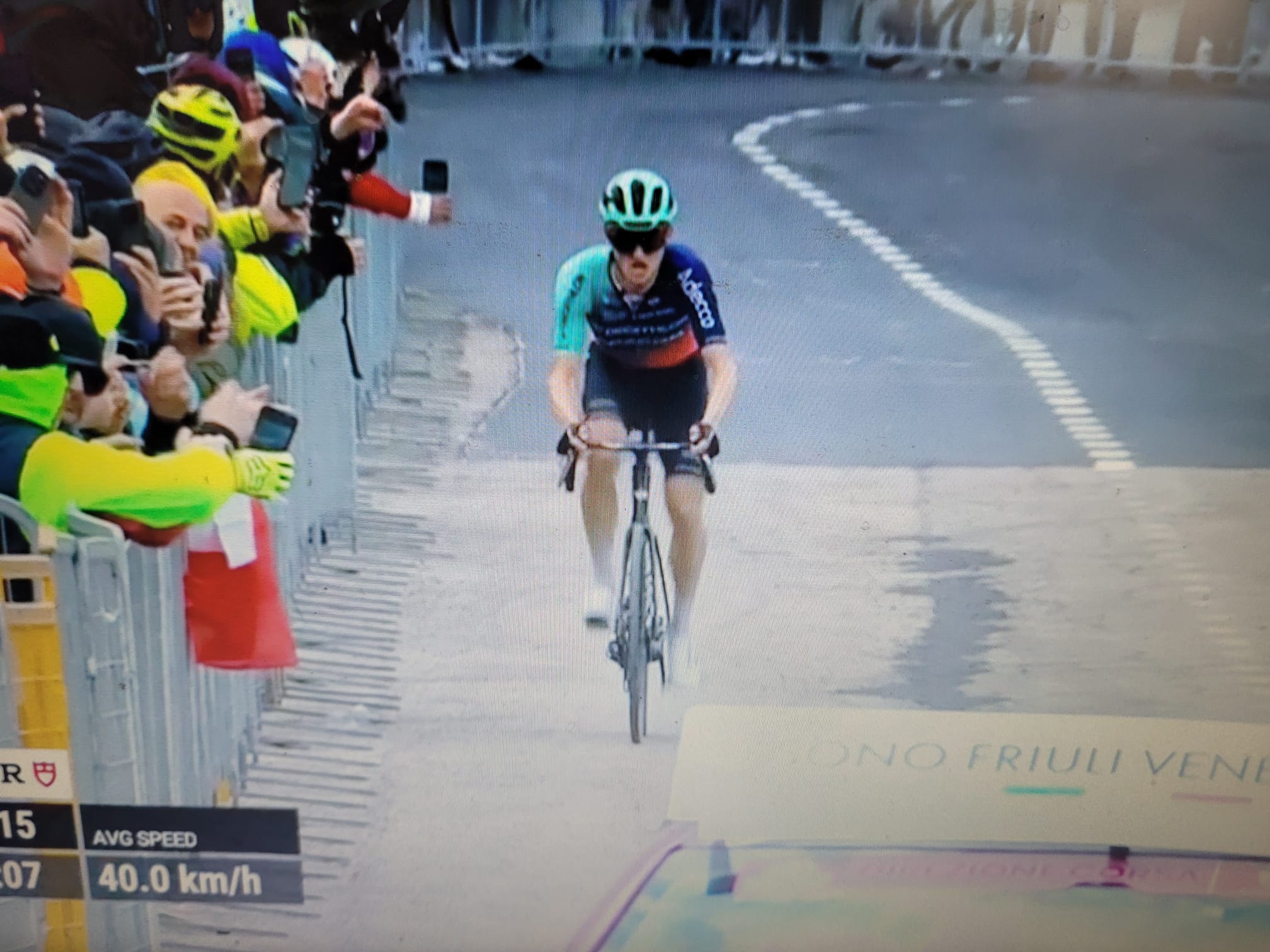
A few days and two mountain stages on, and things are looking pretty safe for Visma and Vingegaard. With the long time trial currently underway, the Dane could close the gap considerably, perhaps even take the jersey today. Eulalio is still young, and untested at a Grand Tour – he DNF’ed his only other GT, last year’s Giro, and he certainly doesn’t represent the fiercest threat to Vingegaard completing his Grand Tour trilogy, but it’s not out of the question to see him finishing in the top 5, maybe even on the podium, depending on how he handles the rigours of the final week. Chapeau to him - expect to see big things from him in future.
As for pre-race favourites, Giulio Pellizzari is off the pace due to a virus, leaving his teammate Jai Hindley to fly the flag for Red Bull-BORA-hansgrohe, and he is looking strong. Ben O’Connor has had good days and bad, as has Egan Bernal, and both he and his INEOS teammate Thymen Arensman seem to be riding their way into form.
The primary challenger, perhaps unexpectedly, is Decathlon CMA CGM’s Felix Gall. He was able to limit his losses to Vingegaard on Blockhaus to just 15 seconds, and with a similar deficit on the stage 9 mountain top finish, the Austrian looks the clear second best at the race, with his team taking ownership of their new identity as a GC team – as they must, with Paul Seixas rising through the ranks, and changing the shape of their approach at bigger races from plucky underdog to serious contender.
Is it over yet? No, not by a long chalk. Lots can happen at a Grand Tour, and though Vingegaard remains the firm favourite, it’s certainly not a done deal just yet. Today’s time trial will give us a clearer picture of where we’re at heading into the second half of the race, when the GC race will begin in earnest. Let’s go!
I’ll endeavour to stay up to date with the race as it progresses, and in the meantime, if you’d like to keep up with my posts, please do subscribe - if you already receive my newsletters, consider upgrading your subscription to paid to support my writing - it’s hugely appreciated and I am incredibly grateful to everyone who supports independent journalism. Until next time, ciao a tutti!